
I wrote this a couple of weeks ago but the same still applies because dammit, nothing has changed haha
It’s Saturday and I’m supposed to get some stuff done today. Depending on what I get done today, I won’t have as much to do on Sunday… but… I do not feeling like doing anything!
We all have those days where we just don’t feel like doing anything. Maybe we’re tired, maybe we’re feeling down, or maybe we’re just plain lazy. For myself, I think it’s a little bit of all these things. But regardless of the reason, getting things done for ourselves is important to our mental health and I, myself, have to remember this (same goes for exercise).
Even though I am in recovery, I still tend to let things sit. So now here I am, with lots of things I let sit. Tasks are piled higher than the ceiling. But, I have to forgive myself for this and move forward or else nothing will get done.
I wrote some things out that might help us, if you’re feeling similarly, and hopefully it will help me today as I try to make progress before the weekend! More progress equals more time of rest over the weekend Another thing I have to tell myself
If you’re interested, keep reading for tips to help you get things done.
Start with Positive Affirmations!
Since I have to keep telling myself positive things to get things done, I thought that I would include it here! Procrastination, self-doubt, and negative self-talk are just a few of the things that can stand in our way of getting things done. Writing down positive affirmations and saying them out loud can make a dramatic difference in how confident we feel. It may sound silly, and maybe to those within hearing distance, but this technique is actually rooted in science (dun dun dunnn). Neurobiology has found that speaking positive words out loud can help to rewire our brains for greater self-confidence and help us to reprogram our thinking to more positive states. Try writing your affirmations down in the form of a rhyme or song so you have an even better chance of remembering them! Maybe sing it to your favorite beat. Visualize achieving the goal of the affirmation to increase its power.
Some examples that I will be repeating today:
- I am capable of anything I set my mind to
- I can do this
- I will not procrastinate on what’s important to me
- It is okay that I didn’t do these tasks before, but I am doing them now
- I trust myself and my abilities
- I am grateful for whatever I get done
- Every day, in every way, I am getting better and better
- Whatever I get done, I feel better and better
Eliminate Distractions
Distractions are such a big hinderance for me. My phone, the TV, the news, the squirrel running across the lawn – Anything can distract me from getting my work done. So, in an effort to mitigate this problem, stay away from all distraction! I know some cannot be helped. As I was writing this, I got side tracked on a sad news story that popped up in the menu on my computer. It was not good for my tasks or my mental health! Turn everything off, except maybe your favorite music station if music helps.
Make Your List
Making lists to get tasks accomplished can seem like a mundane job, but it’s one of the simplest ways to get organized and productive. Even if you don’t have time to take on your full list straight away, simply listing upcoming tasks can give you a greater sense of perspective and purpose that can help motivate you in the right direction. It can also be surprisingly helpful with your mental health around the tasks: writing down your ambitions, fears, anxieties, and worries has been proven to have a positive effect on well-being. Perhaps a particular task is giving you anxiety – mine right now is the bedroom – write it out and combat it with a positive affirmation or thought that can help turn the negative feeling around.
If possible, break your tasks into smaller tasks, and if possible, break those into even smaller tasks. Checking off something small is still getting something done. Plus, when it comes down to it – checking off a completed task from your list gives a sense of accomplishment and will help keep you moving forward!
Prioritize and Organize
Once your list is complete, prioritize your tasks. The best way to tackle prioritizing is to break down the tasks one by one and evaluate which ones are most important. I like to separate out tasks that are the top three most important per area or subject matter and write out a circuit for them (I’ll explain this later in the post). Start with the ones with upcoming deadlines, the highest urgency level or any that will have a major impact on your goals. Once you have a clearer idea of what needs to be done first, create a realistic timeline for yourself so you can ensure everything gets done without stressing yourself out too much. Everyone works differently, but prioritizing can help to keep us all focused and working towards our goals.
Start with the Easy Tasks First
Perhaps as part of prioritizing, we can flag the easy tasks and prioritize these as well. When it comes to tasks, the hardest part can often be just getting started. That’s why it may be helpful to start off with the easier tasks first. Taking a look at your list and starting with the tasks that are easiest to complete can help you stay on track and motivate yourself to keep going, as you will see what you have accomplished quicker and be able to get those checkmarks faster. Like I said above, it can help with a sense of accomplishment! If you’re staring at an intimidating task list, break it down into smaller, more achievable tasks, prioritize, and start from there. Work smarter, not harder!
Onto the Hard Tasks
Now to the hard tasks. They seem insurmountable, and you’d rather do just about anything else than tackle them but eventually, you have to face the music and get down to business. And though it can be intimidating and time consuming, the rewards from completing tough tasks will help to foster resilience and provide an opportunity for self-reflection. Recognize how far you’ve come! Again, try to break hard tasks down into much more manageable pieces and attack the easiest or smallest task first, working your way up to the tougher, bigger, tasks. Eventually, all the pieces will add up to the whole.
Set yourself an achievable goal, whether that be completing one small part or a certain amount of progress each day. Having targets in mind can help keep you motivated and on track when things get tough. Lastly and perhaps most importantly, don’t forget to give yourself breaks! The occasional pause will help your productivity in the long run as it keeps you from burning out from too much work. Be kind to yourself – taking care of yourself during hard tasks is just as important as achieving them! Keep up with your affirmations and reward yourself for the tasks completed and the progress already made.
Take your Time
When productivity feels like the only way to measure our value, it can be tempting to try to cram a long list of tasks into a limited time frame. But pushing yourself too hard will burn you out in no time. Taking your time allows you to approach each task with focus and energy, which helps ensure better outcomes that can save time in the long run. And when productivity stalls or fatigue sets in, don’t fret. Like I keep saying, allow yourself some rest and recovery; this extra time can help renew focus and productivity much faster than attempting “just one more task” before moving on. Keep productivity goals in mind but don’t forget that allowing yourself enough time is just as important for success.
Stay Fed and Hydrated!
I can’t stress this one enough. If I am tired, hungry and thirsty, I don’t feel good enough to do anything. Our bodies need fuel and hydration to keep going! That’s why it’s so important to make sure you stay fed and hydrated while completing our tasks — no matter how trying your situation may be. Not only will it help improve your focus, but it might even give you a little spirit boost when you need it most! And remember, when all else fails, at least you can reward yourself with a snack — because after all, there’s nothing wrong with treating yourself in times of struggle.
Reward Yourself
Productivity is definitely important, but don’t forget to be kind to yourself too! If you’re working away on your task list and ticking off items one by one, why not reward yourself with some self-care? Taking a few minutes to watch a movie or even take a quick nap can make all the difference in how you recover and how you approach the rest of your day. So give yourself permission to pause and enjoy the fruits of all that hard work – after all, you deserve it!
My Circuit Plan
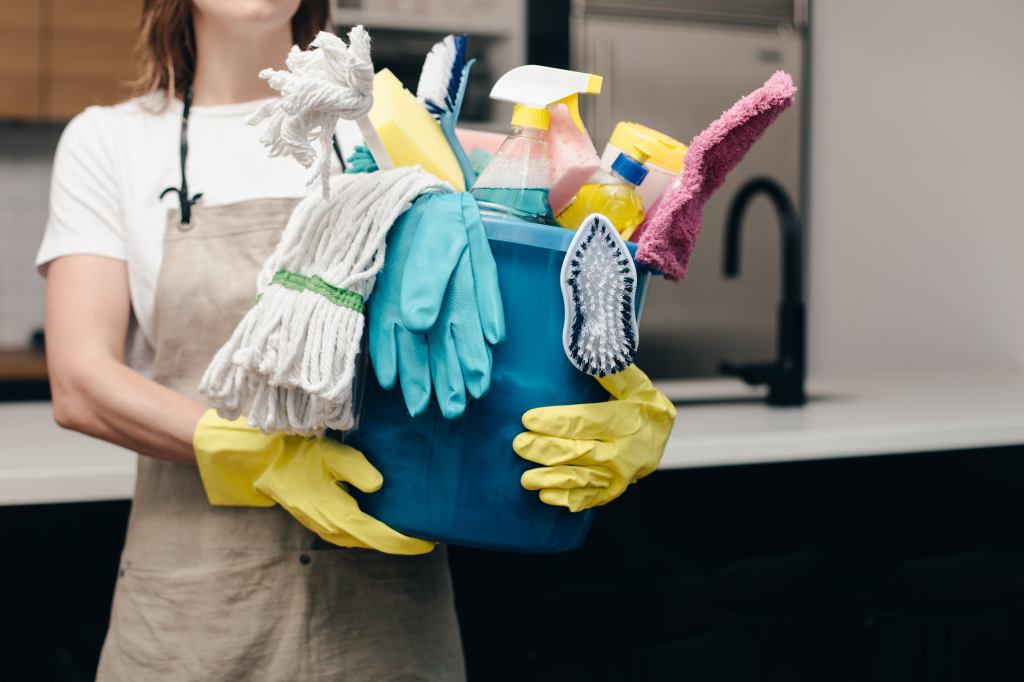
I do have an approach that I sometimes use when it seems doable and wanted to share. I dubbed it “the crazy cleanup” when I apply it to my house chores. When I’m creating my final task list, I assign a time limit for each task. I then group 3 or 4 tasks together with priority, time limit, and proximity in mind, and prioritize the groups. I add the time up so I know how long each group will take. Each group becomes a circuit and are repeatable if you do not get enough done in the allotted time.
I set the timer, then off I go, starting with the first circuit, take a rest, and determine if I’m going to repeat the circuit or go onto the next circuit (group of tasks). When it comes to housecleaning, my priorities have tended to be what people can see first when they come into the house. With this method, I am able to clean a general area to an acceptable level in a shorter amount of time than if I were to do one task at a time to completion. For example, I may still have a few dishes in the sink but now the counters and floor look better too just after the first circuit.
This works for my brain, it may or may not work for yours. I do plan to create a worksheet for myself and will share when it is complete. Now that I’m typing it out, it almost sounds like a workout plan! I find this works best when my tasks involve housecleaning. If your tasks are things like run to the grocery store, of course I wouldn’t include that in the circuit unless you are timing, not rushing, each stop to determine when you’re reaching the next destination.
I find this separating of things into circuits fun sometimes. I can switch to something else and won’t feel like I’ve been doing something for too long since there is a time limit. Plus, if it involves physical activity, you get a good workout! Stop and rest if it is feeling like too much and always make the circuits manageable. You can create rest points between circuits and give yourself a reward at any point.
In Conclusion
Getting tasks done is part of taking care of ourselves. It may be hard work and we may get overwhelmed, but practicing positive affirmations, making lists, completing tasks with purpose, staying fed and hydrated, and rewarding ourselves for our accomplishments can help make it easier. Remember, if it starts to feel like too much for you, take a break! It’s important to listen to your body. And if there are certain things on your list that are just too difficult for you handle on your own, don’t hesitate to ask for support from a friend or professional who can help guide the way. It’s okay not do it all by yourself. Taking the time for yourself is worth it and I’m here cheering you on every step of the journey! If you have any other ideas for getting things done, I’d love to hear it in the comments!




 Rambling JW
Leave a comment